
Choosing the Right Mulcher Teeth for Your Machine and Terrain
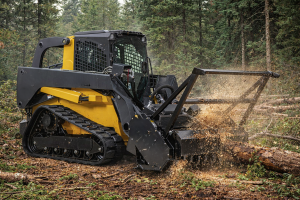
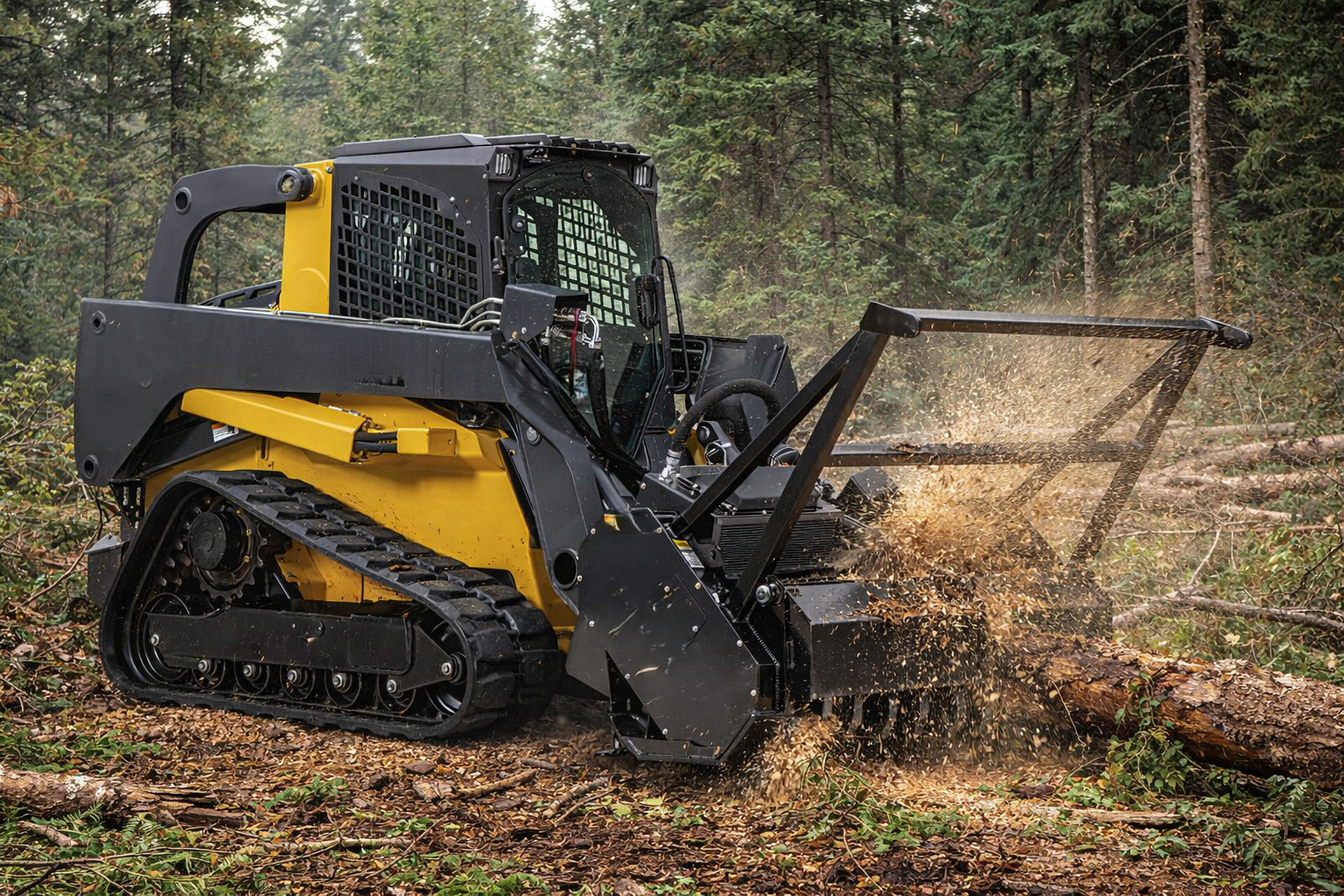
When it comes to forestry mulching and land clearing, the tools you use on your rotor have a direct impact…
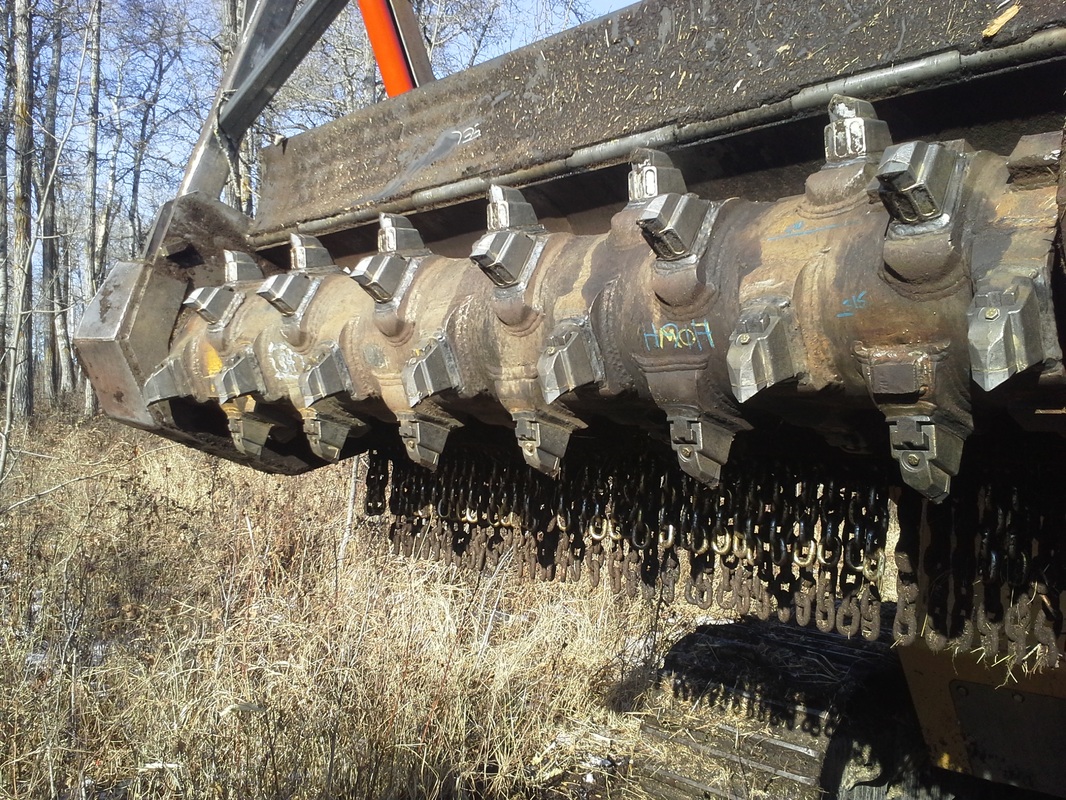
Can You Run Mixed Mulcher Teeth on the Same Rotor?
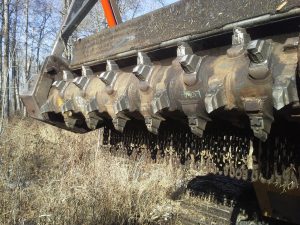
Mixing tooth types without planning can cause vibration, uneven wear, and premature component failure. However, in some situations, a properly…
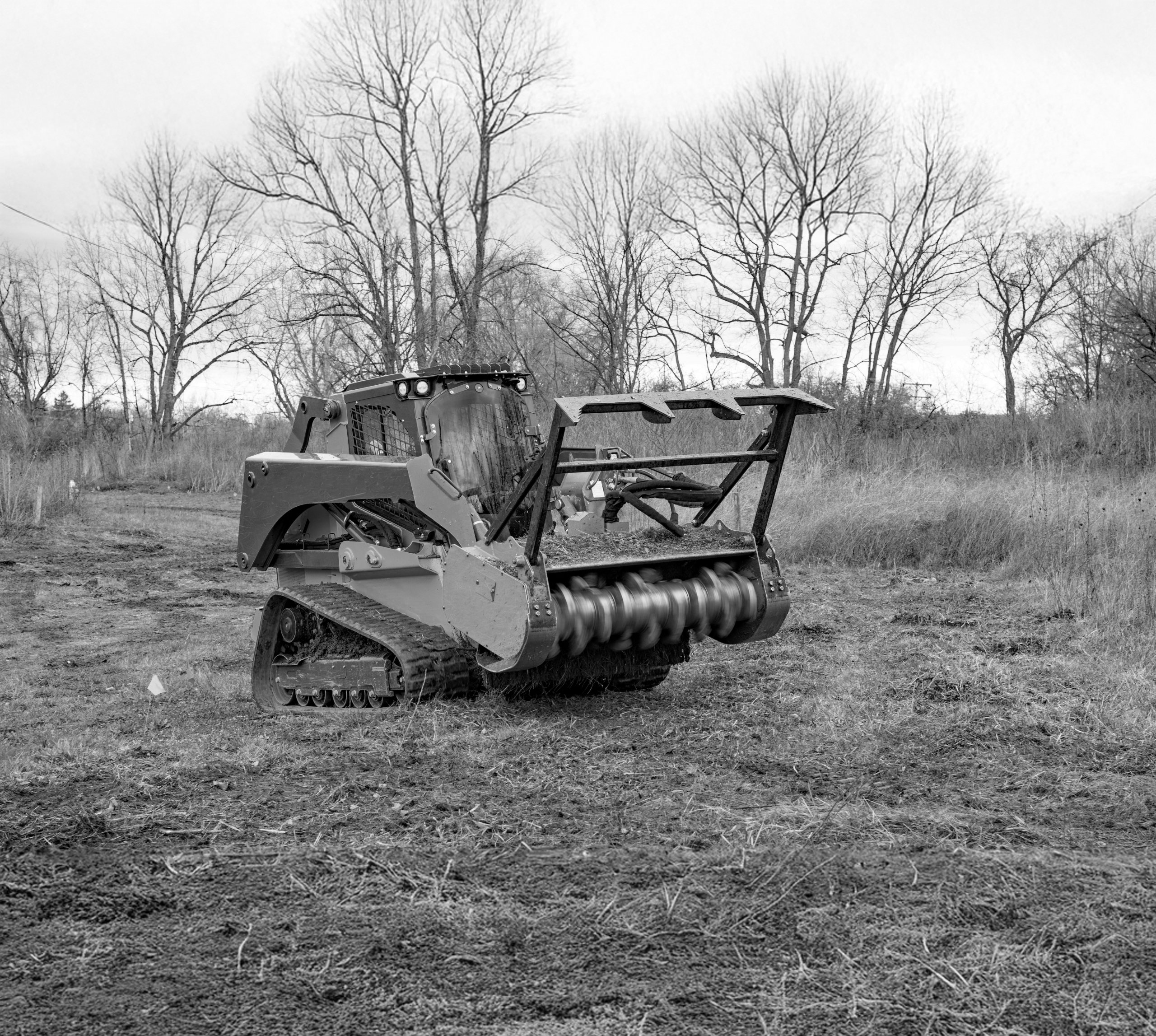
How to Extend the Life of Your Carbide Mulcher Teeth and Reduce Downtime
Carbide mulcher teeth are built for demanding work, but even the toughest teeth won’t last if they’re used incorrectly.
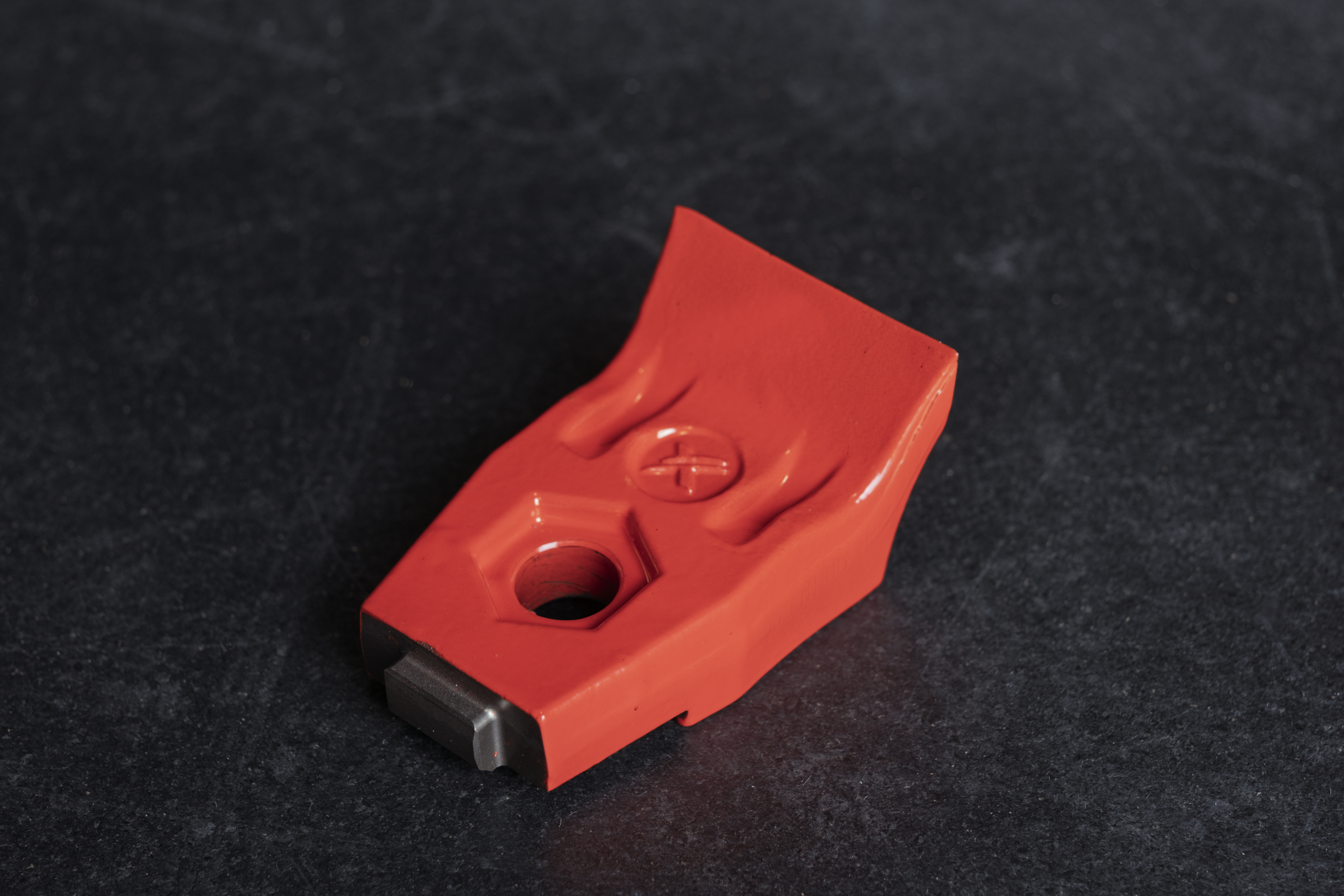
Planer Knives vs Carbide Mulcher Teeth: Which Is Right for Your Application?
When it comes to forestry mulching and land clearing, the cutting tools you run on your mulcher rotor have a…
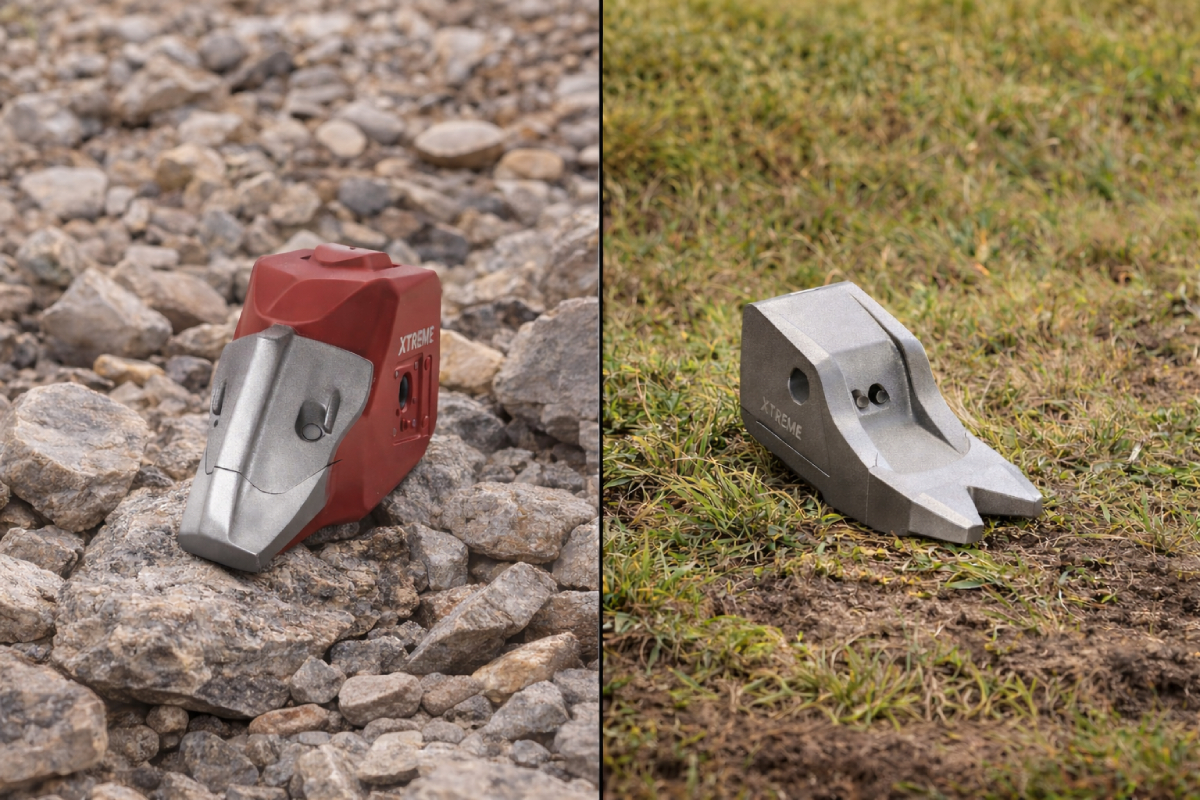
Mulcher Teeth for Rocky vs Soft Terrain
Different terrains require different mulcher teeth designs. Rocky environments demand carbide-tipped teeth that can withstand heavy impact and abrasion. Soft…
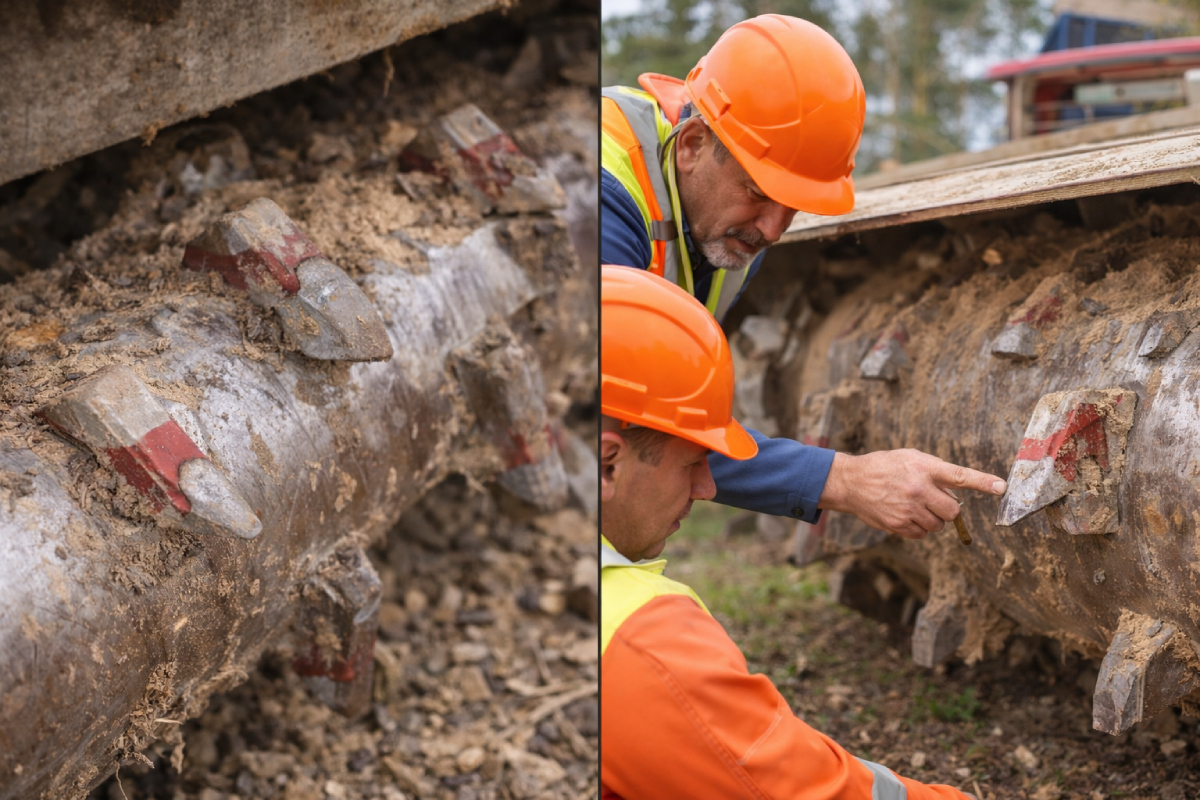
Common Mistakes When Using Mulcher Teeth (And How to Avoid Them)
Improper use of mulcher teeth can lead to faster wear, reduced efficiency, and unexpected machine downtime. One common mistake is…
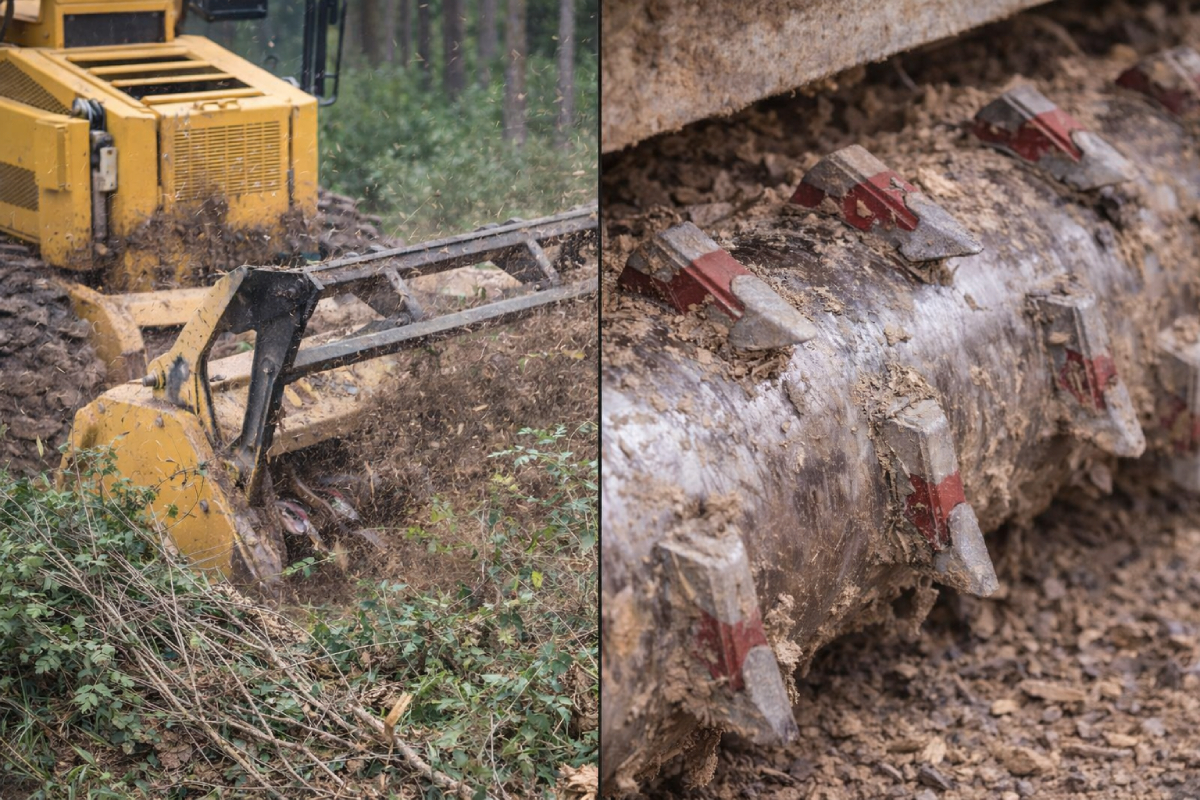
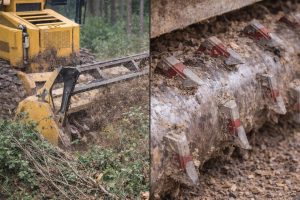
How Mulcher Teeth Impact Productivity in Forestry Operations
Mulcher teeth directly affect how efficiently a machine processes material. Sharp, high-quality teeth reduce resistance, allowing faster cutting and smoother…
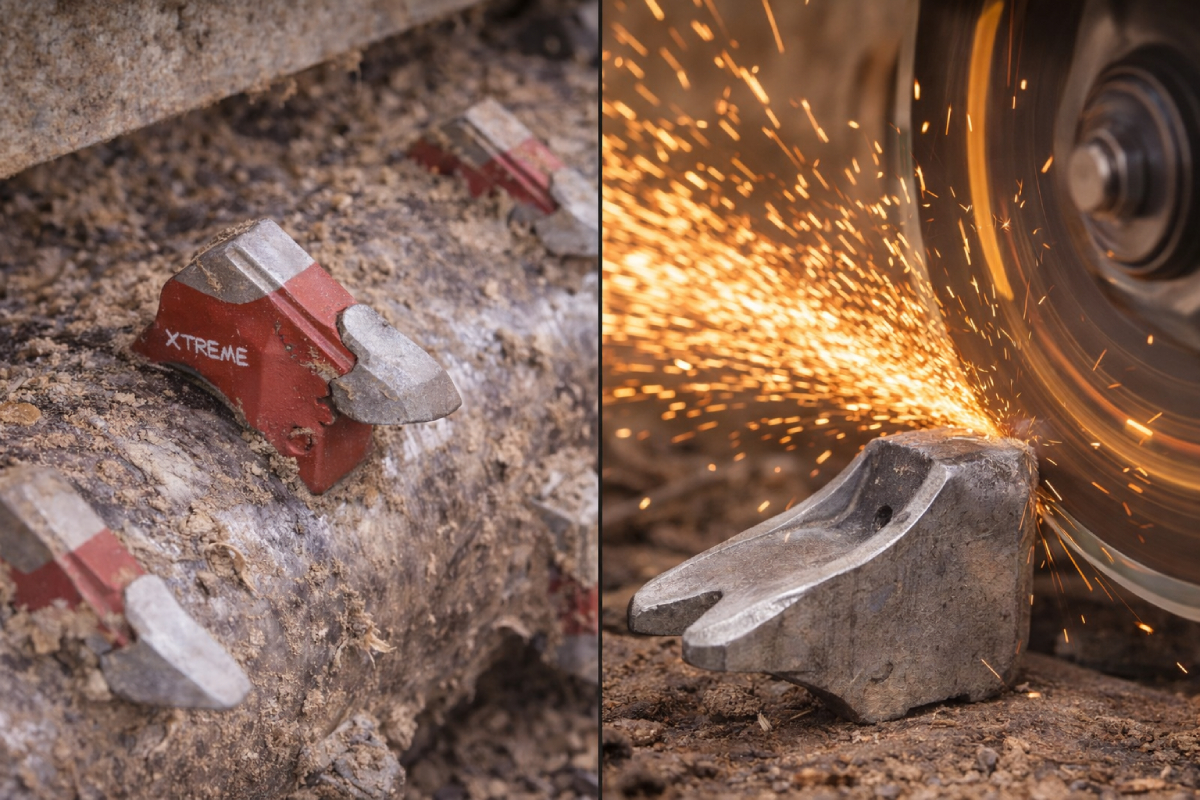
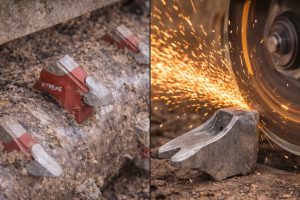
Why Carbide-Tipped Mulcher Teeth Last Longer
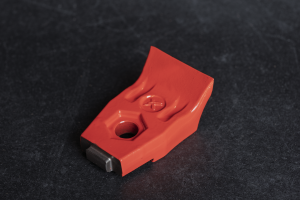
Carbide-tipped mulcher teeth are designed for demanding applications where durability matters most. Carbide is extremely hard and resistant to abrasion,…
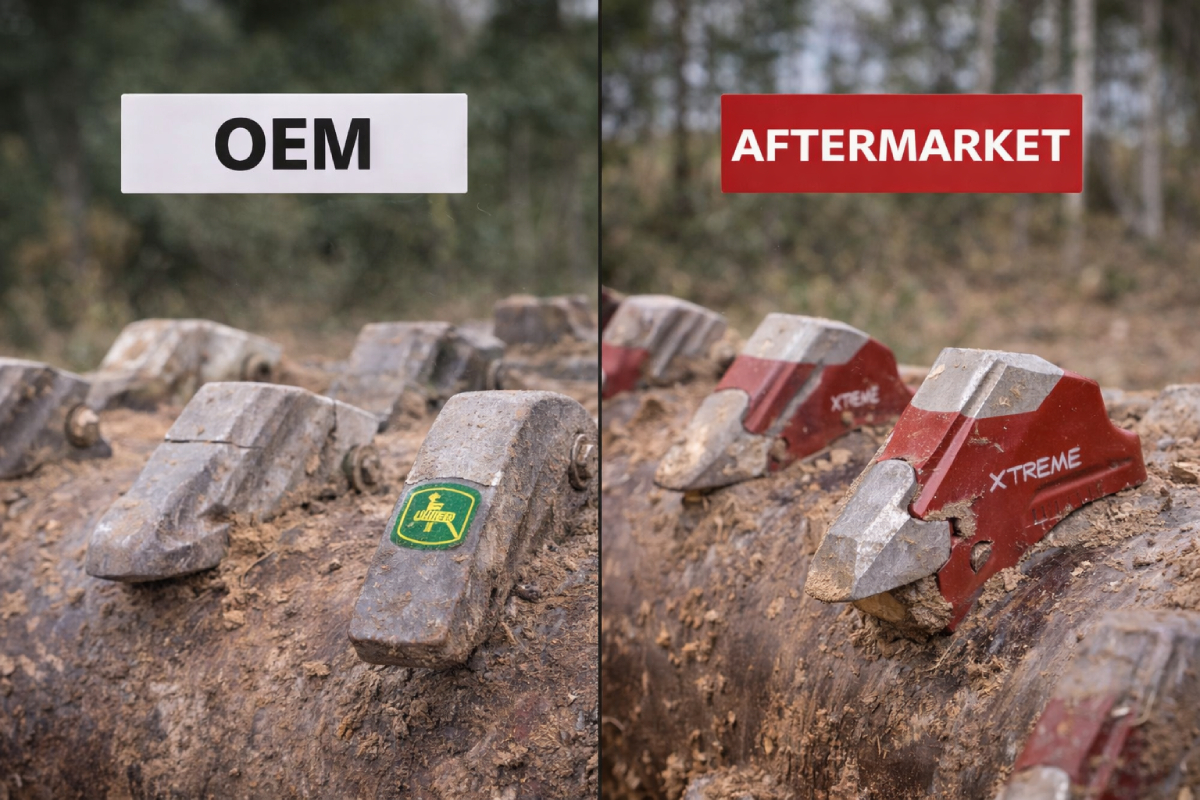
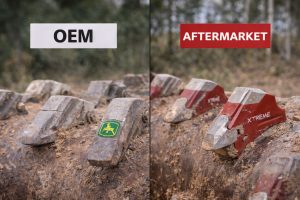
Understanding OEM vs Aftermarket Mulcher Teeth
Many operators believe OEM mulcher teeth are the only reliable option, but high-quality aftermarket teeth provide comparable performance at a…
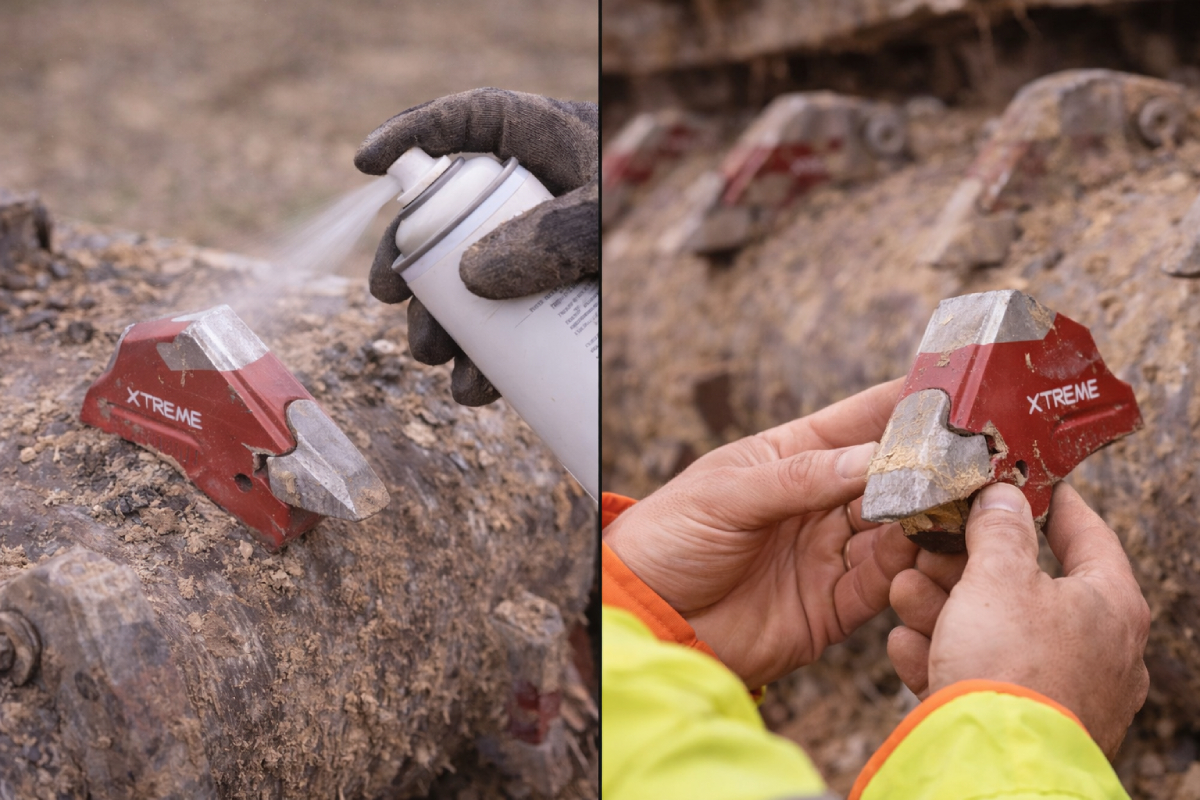
How to Extend the Life of Your Mulcher Teeth
Extending the lifespan of mulcher teeth starts with proper usage and maintenance. Regular inspections help identify wear before it becomes…